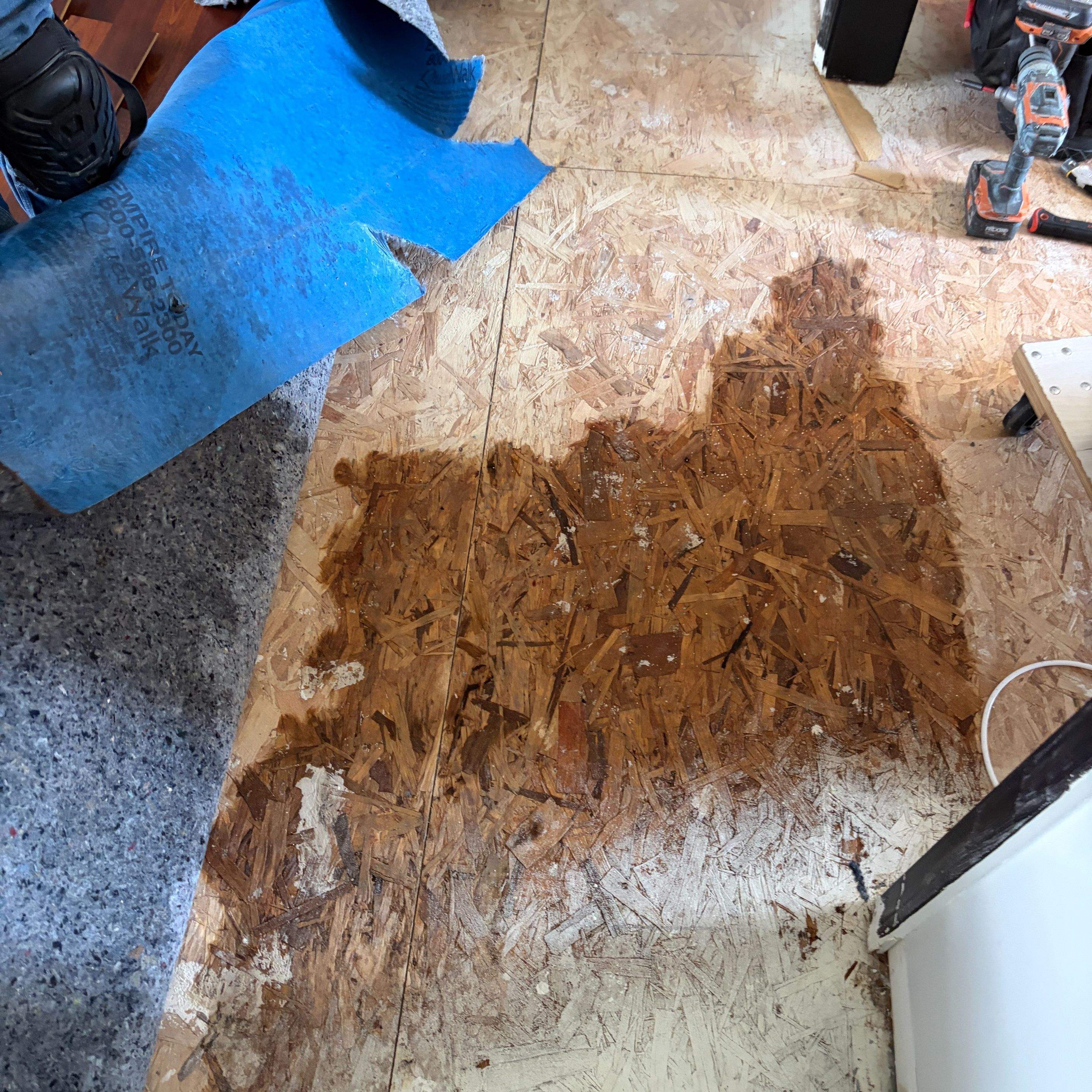
Why Same Day Response Changes the Entire Outcome
Water damage is one of the few home emergencies where the difference between a four hour response and a forty hour response is the difference between drying your existing materials in place and tearing out half a room. The IICRC S500 standard, which is the playbook every legitimate restoration company in Chapel Pines should be working from, treats the first 24 to 48 hours as the critical window. Inside that window, clean water from a supply line is still considered Category 1, meaning your hardwood, drywall, and insulation usually have a real shot at being saved. After about 48 hours, that same water degrades into Category 2, bacteria counts climb, and the cost of restoration starts climbing with it. Wait a week, and you are looking at Category 3 conditions, full demolition of porous materials, and an insurance claim that suddenly involves antimicrobial treatment, containment barriers, and air quality verification.
That timeline is exactly why we structure our Chapel Pines operation around same day arrival. When you call, we are not scheduling you for Thursday. We are getting your address, asking a handful of triage questions, and rolling a truck loaded with truck-mounted extractors, low-grain refrigerant dehumidifiers, and air movers rated for the square footage you are describing. The first technician on site does a moisture map with a penetrating meter and a thermal camera, so we know where the water actually traveled, not just where it pooled. You would be surprised how often the visible puddle is the smallest part of the problem. We have walked into homes near Geist, Fishers, and the south side of Indianapolis where the kitchen floor looked dry but the wall cavity behind the dishwasher was reading 38 percent moisture content twelve hours after a supply hose let go.
The triage questions we ask on the phone are not filler. They tell us what to load on the truck before we leave the shop. We want to know the source (supply line, drain line, appliance, roof, sump, sewer), the approximate square footage affected, the type of flooring involved, whether the water has reached more than one level of the home, and how long it has been sitting. A two hour leak on tile is a completely different job than an overnight leak that soaked into engineered hardwood and migrated through a floor register into the basement below. By the time the truck pulls into your driveway, the crew already has a working scope in their head, which is part of why we can be set up and extracting within minutes of arrival rather than spending an hour figuring out what we need.
What Fast Drying Actually Looks Like in Your Home
Drying a structure is not just pointing fans at wet carpet and hoping for the best. Proper psychrometric drying is a calculated process where we measure the temperature, relative humidity, and grain depression in your space, then deploy enough dehumidification and air movement to push your materials back to dry standard within three to five days for most residential losses. For a typical Chapel Pines basement flood covering 600 to 900 square feet, that usually means one or two commercial dehumidifiers and eight to twelve air movers running continuously, with daily moisture readings to verify progress. If the numbers are not moving, we adjust the equipment. If they are moving faster than expected, we pull units off so you are not paying for capacity you do not need.
The first 90 minutes on site are where the real work happens. We extract standing water with truck-mounted units that pull thousands of gallons per hour, because every gallon we remove mechanically is a gallon the dehumidifiers do not have to pull out of your air. If the loss involves a sewage backup or a sump pump failure, the protocol changes again, and we follow our sewage backup cleanup process with full PPE, antimicrobial application, and removal of any porous materials that contacted contaminated water. For basement losses specifically, our team also walks you through what we are seeing in real time, and our flooded basement cleanup guide covers what to expect on cost and timeline so nothing about your invoice is a surprise.
There are also situations where targeted drying methods save thousands of dollars in flooring and cabinetry. When water gets under hardwood, we deploy specialty mat systems that pull moisture up through the planks rather than ripping the floor out. When it migrates into wall cavities, we drill discreet holes at the base plate and inject warm dry air directly into the cavity, then patch and paint when the job is complete. When insulation in a finished basement ceiling is saturated, we make controlled access cuts that the drywall contractor can blend invisibly during reconstruction. These are the small judgment calls that separate a contractor who is racing through your house from a restoration crew that is thinking three steps ahead about what your home is going to look like when the equipment leaves.
How Chapel Pines Water Restoration Handles Insurance and Documentation From Hour One
Most Chapel Pines homeowners have never filed a water damage claim before, and insurance carriers know it. We document everything from the moment we walk in, including pre-mitigation photos, moisture maps, equipment placement diagrams, daily drying logs, and itemized scope notes that match Xactimate line items. That documentation is what gets your claim approved without back-and-forth. We work directly with adjusters from the major carriers operating in central Indiana, and we will sit on the phone with yours if it speeds up your approval. You are never stuck translating between us and them.
Cost is the other question every caller asks, and we give straight answers. A small same day water mitigation job, think a single bathroom or a contained laundry room leak, typically runs between 1,200 and 2,800 dollars before any reconstruction. A whole basement with category 2 water and three to four days of drying equipment generally lands between 3,500 and 7,500 dollars. Larger losses involving multiple floors, contaminated water, or extensive demolition can exceed that, and we will tell you what bracket you are in after the first inspection, not after the work is done. If your situation involves long-term water intrusion or hidden moisture, our writeup on water damage restoration walks through the full mitigation and reconstruction sequence so you can see what a complete project includes.
One more thing worth knowing before the adjuster ever calls. Your policy almost certainly covers emergency mitigation under a duty-to-mitigate clause, which means you are actually required to take reasonable steps to stop the damage from getting worse. Calling a same day crew is not optional from your insurer's perspective, it is expected. We provide a signed work authorization and direction of pay that lets the carrier remit the mitigation portion straight to us, so you are not floating thousands of dollars while you wait for a check to clear. Deductibles still apply, but the out of pocket portion stays small and predictable.
The thing we want every Chapel Pines caller to understand is that fast drying is not about cutting corners. It is about doing the right things in the right sequence, starting the same day, with equipment sized to your actual loss and technicians who know what the moisture readings are telling them. That is how a flood becomes a memory instead of a renovation.